The science of heartbreak: why it hurts physically
2026-06-09 · 5 min
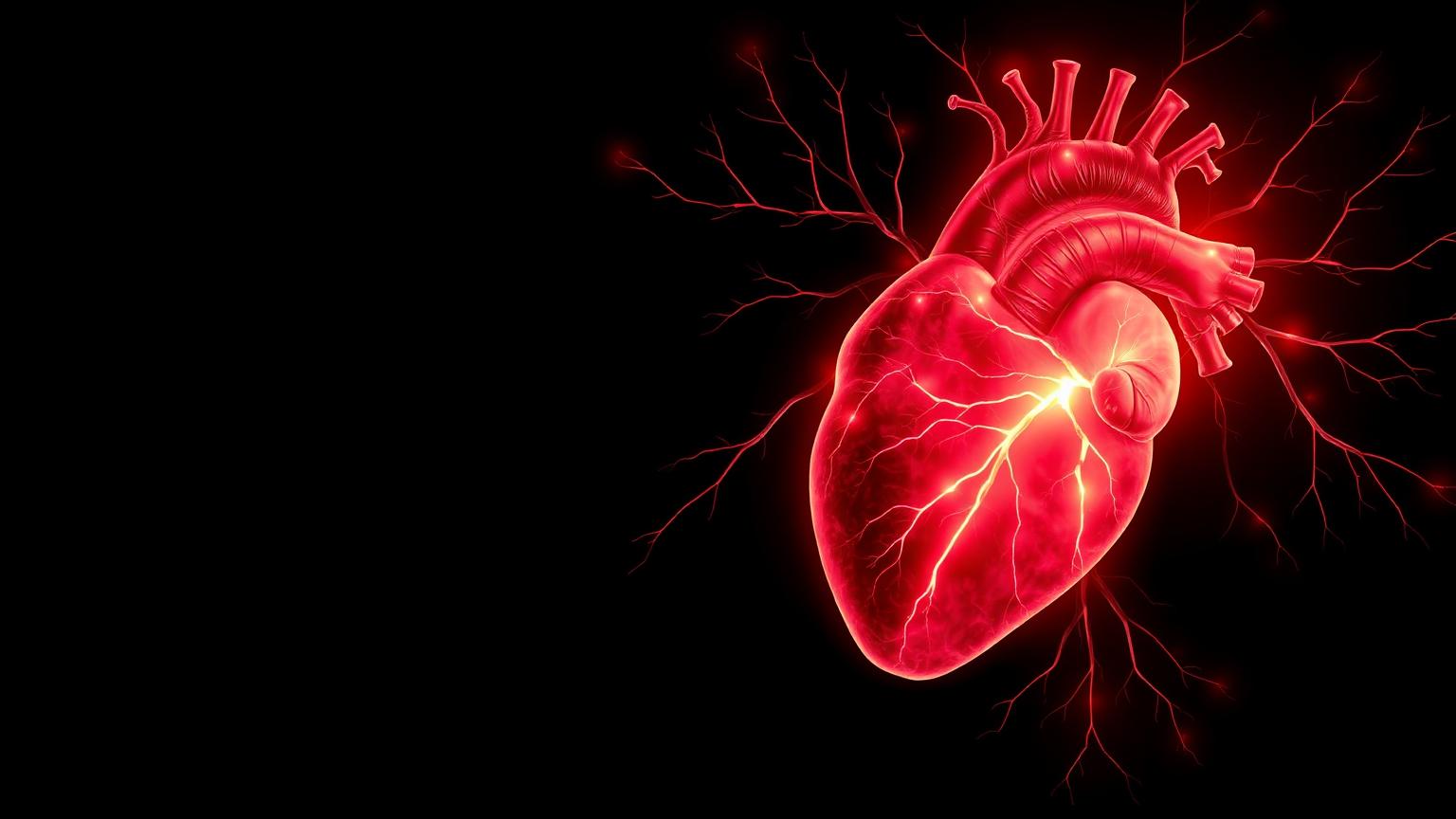
"My heart hurts" is not a metaphor. Heartbreak activates the same brain regions as physical injury. Understanding the biology helps you stop blaming yourself for hurting "too much."
Your brain on heartbreak
fMRI studies (Kross et al., 2011) show that looking at photos of a recent ex lights up the dorsal anterior cingulate cortex and secondary somatosensory cortex — the same regions activated by a coffee burn. The pain is real, measurable, and physical.
Three systems crashing at once
- Reward system: dopamine surges that used to come from your partner suddenly stop. Symptom: craving, obsession.
- Attachment system: oxytocin and vasopressin drop. Symptom: anxiety, feeling unsafe.
- Stress system: cortisol spikes for weeks. Symptom: insomnia, weight changes, immune dips.
Why "just get over it" doesn't work
Your nervous system is genuinely dysregulated. Telling someone in withdrawal to "think positive" is like telling someone with the flu to cheer up. The fix has to address the biology first.
What actually helps biologically
- Sunlight in the morning — resets cortisol rhythm in 10 minutes.
- Cardio 3x/week — generates BDNF, which repairs the stressed prefrontal cortex.
- Cold exposure — short cold showers spike dopamine for 2+ hours.
- Talking out loud — verbalizing emotion measurably reduces amygdala activity.
Where AI fits
The "talking out loud" part is where Loviu shines. Voice-noting your feelings to an AI that listens, reflects, and tracks patterns gives your brain the labeling effect researchers call "affect labeling" — proven to lower emotional distress in minutes.
Want Loviu's help right now?
AI trained for love, breakups and relationships. Free to start.
Start now